What Families Should Settle Before Setting Up an SOS Medical Alarm
An SOS medical alarm works best when everyone knows what it is meant to do. The device may be simple to press, wear or carry, but the family routines around it matter just as much. Before choosing a system, it helps to agree on who will respond, what information should be shared and what should happen when a call is not answered.
This is especially true when several relatives are involved. One person may expect a text, another may expect a phone call, and someone else may assume a neighbour will check in. Those assumptions can cause delays. A short, plain conversation at the start can prevent confusion later.
Who the alarm is for and what it needs to cover
Start with the person who will wear or keep the alarm close. Think about their usual day, not just their worst day. Do they spend most time at home, go to appointments, walk to the shops, or stay with different family members? An SOS medical alarm that suits a mostly indoor routine may not be the right fit for someone who is often out and about.
Also agree on the risks the family is most concerned about. Some people mainly want a quick way to call for help after a fall. Others want reassurance that their location can be checked if they become confused or fail to answer. Features such as SOS alerts, fall detection, GPS location checks and two-way calling may all be relevant, but they are not equally useful for every household. Familyr Medical Alarms is one name in this space, with wearable medical alarms in New Zealand described as having SOS alerts, fall detection, GPS location checks and two-way calling without a monthly monitoring fee.
The family should also decide whether the alarm is meant for everyday independence, short-term recovery, or long-term reassurance. That purpose shapes everything from where the device is kept to how quickly a missed alert should be treated.
Who will be contacted first
An alert is only useful if it reaches someone who can act. Agree on a primary contact and at least one backup. The primary contact should be someone who can respond at different times of day, or who can organise help quickly when they cannot attend. A backup matters because phones go flat, people travel and meetings run late.
Keep the contact list small and clear. A long chain of relatives can lead to everyone assuming someone else has handled it. If three people are listed, define the order. For example, one person answers first, the second is contacted if the first cannot, and the third helps coordinate practical tasks such as transport or contacting a clinician.
It is also worth discussing what "respond" means. Does it mean calling the person back, visiting them, contacting another relative, or calling emergency services when the situation sounds serious? The answer may change depending on the alert. A two-way call can help clarify what has happened, while an unanswered call may need a different response.
What counts as an emergency
Families often disagree about when an alert is warranted. One person may press it only for a severe fall. Another may use it when feeling dizzy, locked out, or unsure where they are. Agree on examples before the alarm is in use so there is less hesitation in the moment.
Useful points to settle include:
- A fall or sudden injury should be treated as urgent, even if the person says they feel fine, because pain and shock can affect judgement.
- Severe chest pain, trouble breathing, or sudden confusion should lead to emergency help rather than a family-only discussion.
- A missed check-in or unanswered call should have a clear rule, such as attempting contact again, then arranging a welfare check if concern continues.
- Non-urgent problems, such as a question about medication or a routine lift, should have a separate path that does not compete with urgent alerts.
This does not mean every situation can be scripted. The aim is to give relatives a shared starting point. In an emergency, local emergency services should be called through the usual emergency number. A family alarm should not be treated as a replacement for urgent medical care.
How location and fall alerts will be handled
GPS location checks can be helpful, but they need sensible boundaries. The family should agree when location is checked and why. Checking location after an alert is different from tracking someone throughout the day. The person using the alarm should understand what location information may be available and who can see it.
Fall detection also needs a shared response plan. Automatic detection may not always match what is happening. A person might drop the device, sit down quickly, or be in a situation where the reading is unclear. Relatives should avoid treating a detected fall as proof of injury, but they should also avoid dismissing it. A two-way call, a text or a welfare check can help establish what happened.
Privacy is part of this discussion. The person who wears the alarm should have a say in how much information is shared and with whom. That is particularly important when adult children are coordinating care. Clear agreement reduces the chance of location checks being used in a way that feels intrusive.

Where the device will be kept and charged
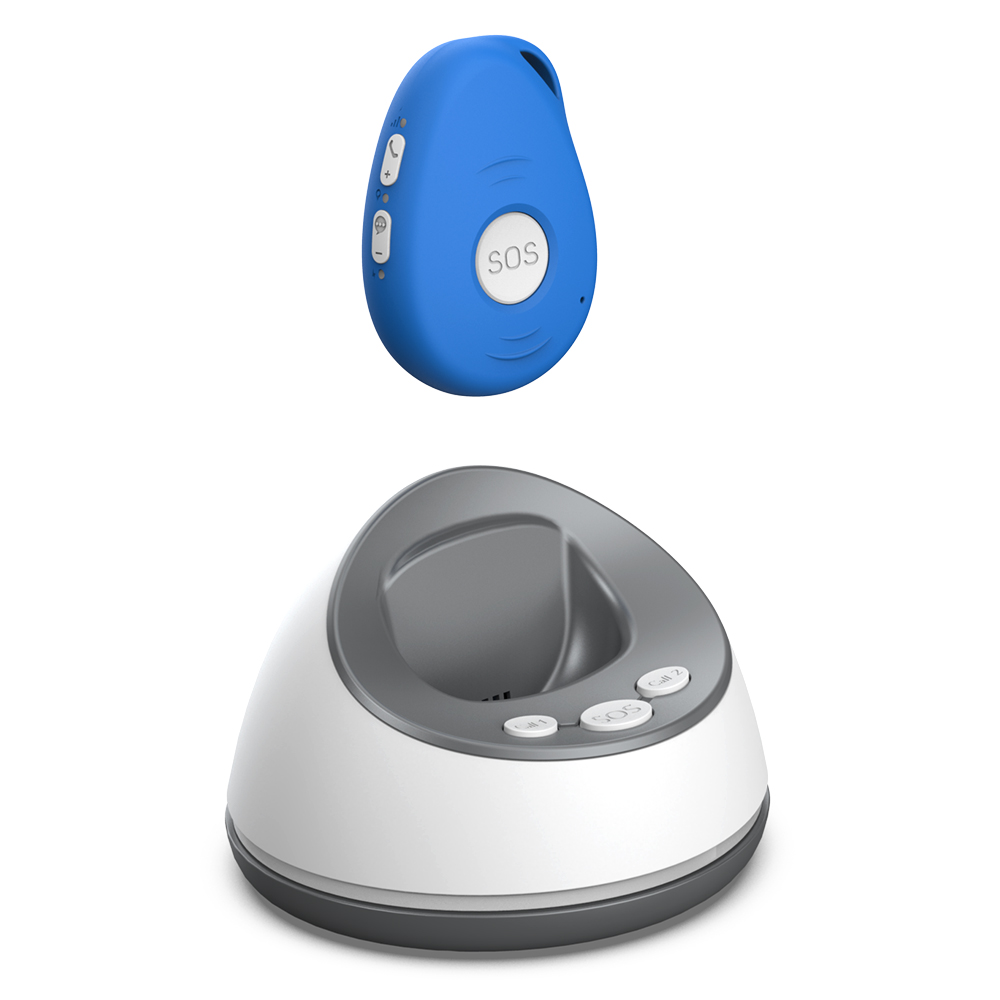
A wearable alarm only helps if it is within reach. Agree on whether it will be worn during the day, kept in a pocket, or placed in a familiar spot at night. The spot should be easy to reach from bed, the bathroom route and the main living area. It should not be somewhere the person may struggle to reach after a fall.
Charging is another practical point. Choose a routine that is easy to remember, such as placing the device on its charger at a set time each day. Keep the charger somewhere visible and away from clutter. If more than one person helps with the alarm, make sure they all know the routine, so nobody assumes someone else has done it.
The family should also check whether the person is comfortable wearing the device. If it feels awkward, uncomfortable, or confusing, it may be left in a drawer. Comfort and simplicity can matter more than extra functions that are rarely used.
What information relatives need ready
When an alert comes through, relatives should not have to search for basic details. Agree on what information should be kept current and where it will be stored. This may include the person's address, useful access notes, emergency contacts, medication information, mobility needs and the name of a usual clinician or care provider.
Access details need careful thought. If someone may need to enter a home during an emergency, discuss safe arrangements in advance. Avoid leaving keys in obvious places. A locked box, a trusted neighbour or another agreed arrangement may be better, depending on the setting. Any arrangement should respect the person's safety and wishes.
Keep the information brief and readable. A long document stored where nobody can find it is not useful. Relatives should know where the details are, who can update them and how changes will be shared.
How the family will test the routine
Before relying on an SOS medical alarm, the family should walk through a few ordinary scenarios. This does not need to be formal. The point is to find gaps while everyone is calm. What happens if the primary contact is unavailable? What if the person using the alarm cannot speak clearly? What if a fall alert arrives but the person says they are fine?
A short practice conversation can reveal useful details. Maybe the backup contact lives too far away to attend quickly. Maybe one relative is listed but has not agreed to receive alerts. Maybe the person using the alarm does not want location checks except after an alert. These are better addressed before the device becomes part of daily life.

Familyr Medical Alarms sits in the category of wearable medical alarms designed around SOS alerts, fall detection, GPS location checks and two-way calling. The family decision is still about fit: what the person needs, what relatives can reasonably manage and what everyone understands in a stressful moment.
When to revisit the agreement
Family routines change. Health needs change too. A plan that works while someone is mobile and living at home may need adjusting after a hospital stay, a move, or a change in who is nearby. Set a simple reminder to revisit the arrangement every few months or after any major change.
Ask practical questions at each review. Is the device still being worn or kept within reach? Are the contact details current? Has anyone moved house or changed phone number? Are fall alerts and location checks still being handled in a way everyone understands? Does the person using the alarm still feel comfortable with the arrangement?
The best setup is one the whole family can explain in plain words. If a relative can say who gets the alert, what they do next and when emergency help is called, the system is much more likely to work when it is needed. An SOS medical alarm is not just a device. It is a shared promise about response, privacy and care.